
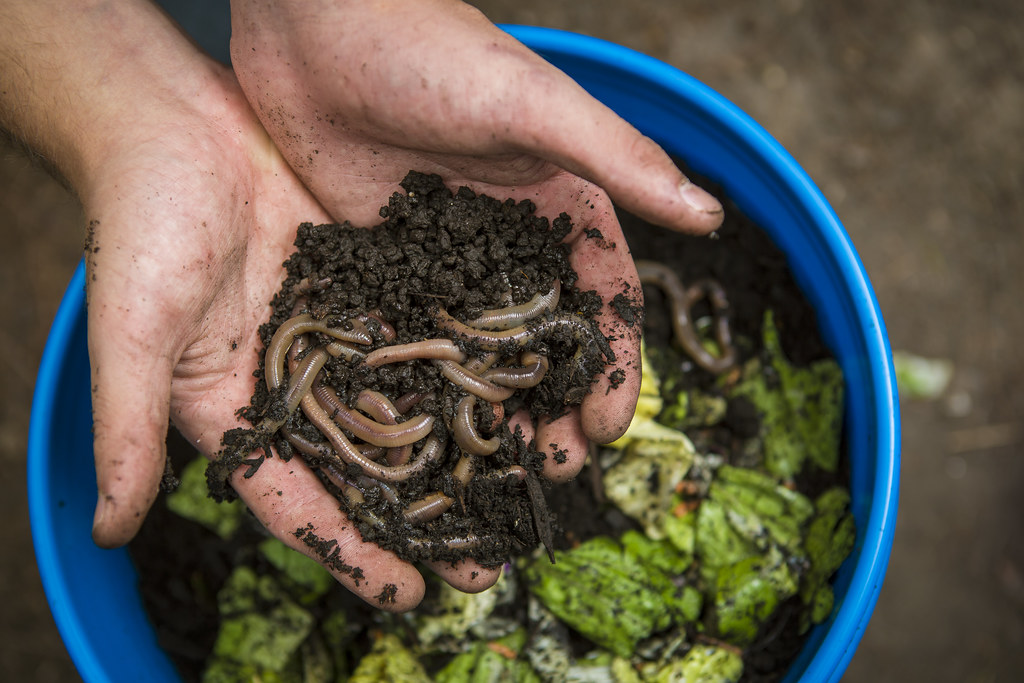
Introduction:
South Africa, a country known for its natural beauty and diverse landscapes, is facing a growing problem: food waste and its detrimental impact on our environment. Every day, tons of food and organic waste end up in landfills, contributing to greenhouse gas emissions and depleting valuable resources. It is high time we address this issue and explore the practical and sustainable solution of composting. In this blog post, we will delve into the reasons why every South African should start composting their food and organic waste immediately, leaving behind the wasteful practice of sending it to our landfills.
- Reducing Environmental Impact:
Food waste in landfills decomposes anaerobically, releasing methane, a potent greenhouse gas that contributes to climate change. By composting our food and organic waste, we can significantly reduce these harmful emissions. Composting is an environmentally friendly process that encourages the decomposition of organic materials in an oxygen-rich environment, minimizing methane production. By diverting food waste from landfills, we take a crucial step towards mitigating climate change and preserving our natural resources. - Preserving Landfill Space and Reducing Pressure on Waste Removal services:
Our landfills are running out of space faster than ever before, while the unreliable waste removal services is overwhelmed by the amount of waste it needs to pick up in a area when it is removed. By composting our food waste, we can divert a substantial amount of waste from these already overwhelmed sites and services. This not only extends the lifespan of existing landfills but also saves us from the expensive and environmentally damaging process of establishing new ones. Composting allows us to make the most of our limited land resources and ensures a sustainable future for generations to come. - Fostering Soil Health and Conservation:
Composting is nature’s way of recycling nutrients. The resulting compost is a valuable organic fertilizer that enriches soil health, improves water retention, and reduces the need for chemical fertilizers. By composting and using this nutrient-rich soil amendment in our gardens, parks, and public spaces, we can cultivate thriving vegetation, support biodiversity, and contribute to the overall health of our ecosystem. Composting presents a natural and sustainable solution to nourish the very soil that sustains us. - Empowering Communities and Local Economies:
Composting offers a fantastic opportunity to foster a sense of community and empowerment. Establishing local composting initiatives can bring neighbors together, promoting knowledge-sharing and collaboration. Schools and community organizations can play an active role in educating residents about composting practices, encouraging participation, and creating a sense of environmental stewardship. Additionally, composting can stimulate the growth of local businesses that provide composting services, further boosting our economy and creating employment opportunities. - Educating Future Generations:
By embracing composting practices, we have the chance to educate our children and future generations about the importance of waste reduction and environmental responsibility. Instilling values of sustainability from an early age empowers young minds to make informed choices that benefit both themselves and the planet. Composting can serve as a practical and engaging tool to teach our children about the interconnectedness of nature and the role each individual plays in preserving it.
Conclusion:
Composting is not just a solution; it’s an opportunity for South Africans to make a positive impact on our environment and leave a lasting legacy for future generations. By diverting food waste from landfills and embracing composting practices, we can reduce greenhouse gas emissions, preserve valuable landfill space, nurture soil health, empower our communities, and educate our children about sustainability. The time to act is now. Let’s come together as responsible citizens and make composting an integral part of our daily lives. Together, we can pave the way for a greener and more sustainable South Africa.

 Councillor Tjaart van der Walt